English
 Chinese
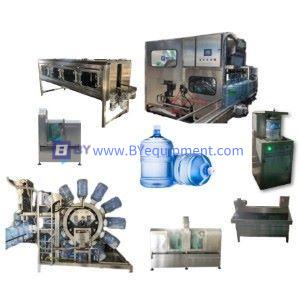
How to Choose a 5-Gallon Bottle Washing and Filling Machine: A Buyer’s Guide
How to Choose a 5-Gallon Bottle Washing and Filling Machine: A Buyer’s Guide
Choosing equipment for a 5-gallon (18.9-litre) water bottling line is a decision that shapes your plant’s output, running costs, and product quality for years. Yet most buyers approach it the same way: they compare price quotes and capacity numbers, then choose the lowest bid that meets their throughput target.
That approach misses the questions that actually determine whether a machine performs well in your specific plant, for your specific water source, over the next five to ten years. This guide walks through what to evaluate — regardless of which manufacturer you ultimately choose.
Start with your actual production requirement, not a round number
Before comparing machines, define three numbers:
• Target bottles per hour (BPH) — not your eventual goal, but your realistic output for the next 12–24 months. Overbuying capacity ties up capital in a machine that runs at 30% utilization; underbuying means a costly upgrade within a year or two.
• Bottle condition on return — are you working with new bottles, lightly-used returnables, or bottles that come back from the field with mud, algae, or heavy residue? This single factor changes which washing technology makes sense far more than BPH does.
• Available floor space and utility supply — washing stages (especially high-pressure and hot-water systems) have real water, electricity, and floor-space requirements. A machine rated for your target BPH on a spec sheet may not fit your plant’s actual utility capacity.
The washing stage is where machines differ most — and where problems hide
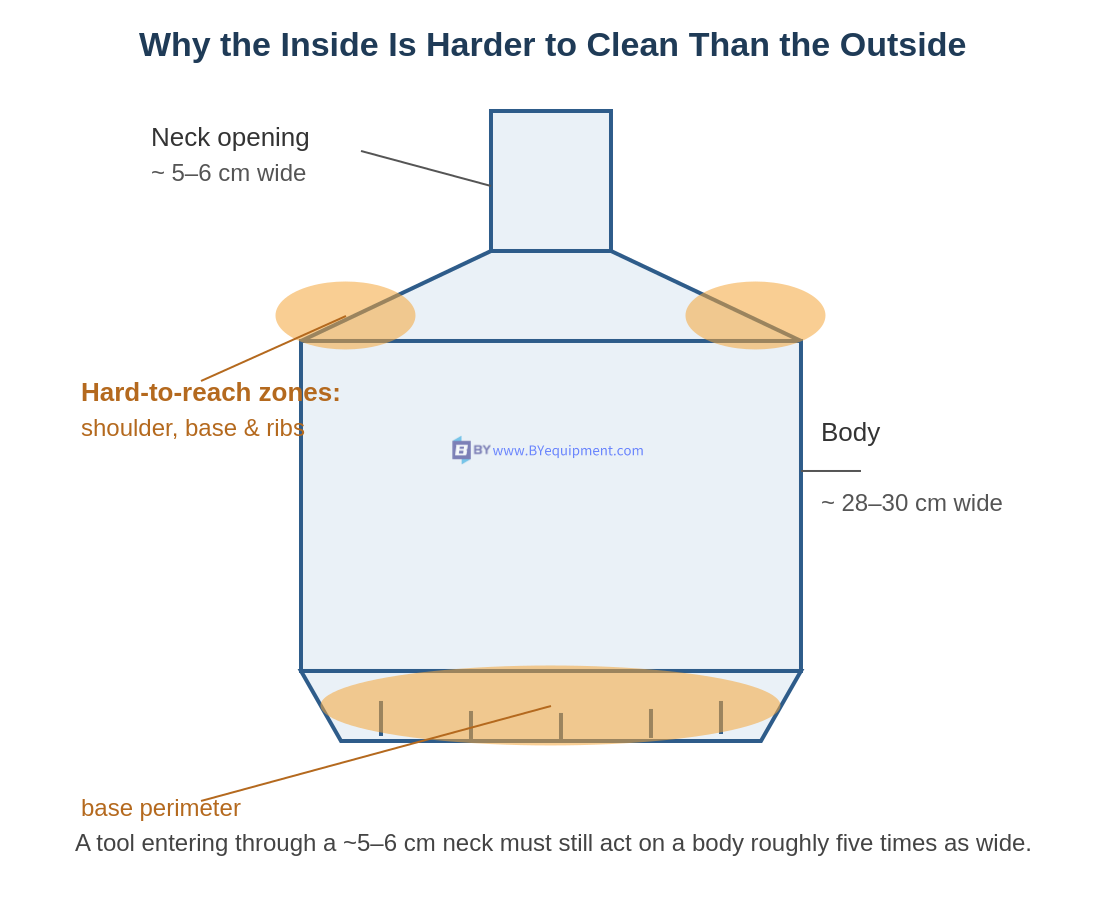
Filling and capping technology has largely converged across manufacturers: PLC-controlled, servo-driven, broadly similar in accuracy. The washing stage is where real differences in cleaning outcome show up, because a 5-gallon bottle’s geometry — a body several times wider than its neck — makes internal cleaning a genuinely harder engineering problem than external cleaning.
Three internal washing approaches are in common use. Each has trade-offs worth understanding before you buy:
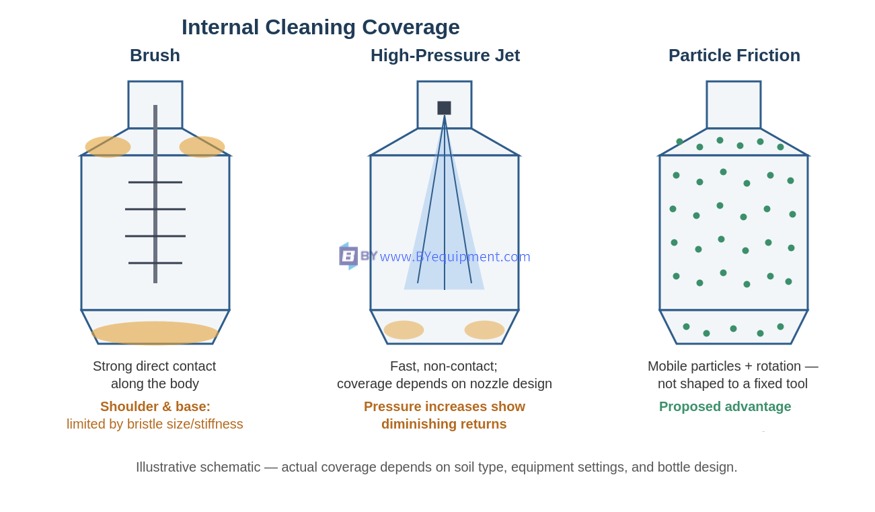
Visual comparison of brush, high-pressure jet, and particle friction cleaning coverage
Approach
Best suited for
Main strength
Main limitation
Brush washing
Lightly soiled returnables, lower budgets
Direct mechanical contact removes stubborn residue where bristles touch
Brush size is limited by the bottle neck; shoulder, base, and rib areas often get lighter contact (“shadow zones”)
High-pressure water jet
Moderate soiling, plants prioritizing speed
Fast, non-contact, no wear parts to replace
Independent published research shows cleaning improves with water temperature and detergent use much more than with pressure alone — very high pressure has diminishing returns
Particle friction (mobile abrasive particles + bottle rotation)
Heavily soiled returnables, plants wanting more even coverage
Cleaning medium is not shaped like a fixed tool, so it can reach areas brushes and jets under-serve
Newer approach
None of these is universally “best” — the right choice depends on how soiled your returned bottles actually are and what you’re willing to manage operationally (bristle replacement, water/energy use, or particle recovery and hygiene). If your bottles come back heavily contaminated, it’s worth asking any brush- or jet-based supplier directly how they address shoulder and base coverage, since that’s the documented weak point of both methods.
Washing, chemical cleaning, disinfection, and filling are different functions, and a bottle needs all of them in the right order — no single washing stage, however good, replaces disinfection. When evaluating a supplier, ask how their washing equipment fits into (or integrates with) the rest of the line: chemical/alkaline cleaning, rinsing, disinfection, and hygienic filling. A supplier who can speak clearly to the full sequence — not just their own machine in isolation — is a good sign of engineering depth.
Regardless of washing technology, check these on any machine you’re evaluating:
• Contact-surface material: food-grade stainless steel (SS304 at minimum; SS316 for harsher water chemistry) on all surfaces touching water or bottles
• PLC and electrical components: ask which brands are used — recognizable industrial brands (Siemens, Schneider, Mitsubishi, etc.) generally mean easier local servicing and parts availability than unbranded components
• Water and energy consumption per cycle: get real numbers, not just “efficient” — this affects your operating cost far more than the purchase price over a multi-year period
1. How many installations do you have running in conditions similar to mine (water hardness, bottle condition, climate)?
2. What is your typical lead time for spare parts?
3. Can I speak to an existing customer with a similar production line?
4. What’s the real cycle time and BPH under my specific bottle condition — not the marketing spec sheet number?
5. What does routine maintenance require, and how much of it can my own staff perform versus needing a technician visit?
Internal cleaning technology for reusable bottles has been slower to innovate than filling and capping, largely because brush and high-pressure jet systems have been “good enough” for decades. But as demand grows for water quality assurance and for equipment that uses less water and energy per cycle, approaches like particle friction washing are gaining attention specifically because they address the coverage limitation that both older methods share. If you’re evaluating equipment for a new line or a major upgrade, it’s worth asking any supplier — including us — to walk you through exactly how their internal washing stage handles the shoulder, base, and rib areas of the bottle, since that’s where most cleaning shortfalls actually occur.
BY Equipment manufactures complete 5-gallon water bottling lines — washing, filling, capping, and packaging — including particle friction internal washing systems. If you’d like a straightforward conversation about which washing approach fits your specific bottle condition and production target, contact our team.
Ask about the whole hygienic sequence, not just one machine
Materials and build quality checklist
Questions worth asking every supplier before you buy
A note on where the industry is heading